February to July is the best time to visit Yala National Park. That's the dry season in Sri Lanka's arid south-east, when shrinking waterholes pull leopards, elephants and sloth bears into the open country around what water remains, and the sightings concentrate with them. It's also when the world's densest leopard population is at its most predictable.
But "when" has two layers in Yala. The month you choose sets the wildlife, the weather and the crowds; the hour you choose — the 6am gate rush or the 2pm re-entry — often decides whether you see animals at all. This guide covers both, plus the planning trap most articles get wrong: the annual closure of Blocks 1 and 2 in September and October.
Quick Answer: When Should You Visit Yala National Park?
February to July is the verdict, with a wrinkle: the whole February-to-September stretch is relatively dry, which is why competing guides quote the season as February–June, February–July or even May–August. The core wildlife window inside it runs February to July, and leopard odds peak in its second half, April to July, when water is lowest and grass shortest. February and March are the classic picks; May and June are the insider ones, with the same dry-season sightings and a fraction of the jeeps.
Match the month to your priority:
- Best for leopards: April to July, when water is lowest and grass shortest.
- Fewest crowds with good sightings: May and June, or a weekday dawn drive any month.
- Best for birdwatching: November to January, when migrants arrive at the lagoons.
- Best value: May and June, when rates dip and jeeps are easy to book.
- Avoid: mid-September to mid-October, when Blocks 1 and 2 close.
- Backup in the closure window: Blocks 3–6 via the Galge gate, or Udawalawe.
Treat August as decent but hot, and September as a gamble because of the closure. Once you've settled on a window, you can compare Yala tours and lock in a jeep before peak dates tighten up.
How Yala's Climate Works: Two Monsoons, One Dry Zone
Yala sits in Sri Lanka's south-east dry zone, and that geography sets the whole calendar. The north-east monsoon, roughly October to January, delivers most of the park's rain: October averages 27 rain days, November 25, December 18. The south-west monsoon, May to September, mostly misses the park — it soaks the west coast and hill country while Yala stays dry. June averages zero rain days.
It's warm year-round. Monthly highs run about 29–34°C and lows 23–26°C, averaging 26.4°C across the year, and there's no cool season — just wetter and drier. A dawn drive in an open jeep can feel cold enough for a sweater, but by 9am you'll be back in short sleeves.
Ignore any guide that sorts Yala into spring, summer, autumn and winter; that framing belongs to the northern hemisphere. The park has three real seasons: the long dry stretch from February, the inter-monsoonal build-up, and the north-east monsoon from mid-October. What rain does on the ground matters more than any label. After the monsoon the park is lush and the waterholes full, so animals disperse and vanish into thick cover; late in the dry season the water shrinks to a few lagoons, the vegetation thins, and everything crowds into the open where you can see it.
Month-by-Month Guide to Yala National Park
One weather dataset, twelve months, six verdicts. Long-term averages below; the notes cover what the numbers hide.
| Months | Typical high / low | Rain | Wildlife | Crowds | Verdict |
|---|---|---|---|---|---|
| Jan | 31 / 23°C | Moderate | Migrants at lagoons, green park | Peak (holidays) | Good for birds |
| Feb–Mar | 33 / 23°C | Very low (Mar ≈1 rain day) | Animals concentrated, leopards active | High | Best overall |
| Apr–May | 33–34 / 24°C | Low; first showers late May | Leopard peak; sloth bears from May | Thinning | Excellent |
| Jun–Aug | 34 / 26°C | Near zero (Jun 0 rain days) | Strong sightings, hot midday | Moderate | Very good |
| Sep–Oct | Low 30s / 24°C | Rising; Oct wettest (27 rain days) | Blocks 1–2 shut mid-Sep to mid-Oct | Low | Tricky |
| Nov–Dec | 29–31 / 23°C | Heavy (Nov 25, Dec 18 rain days) | Migrants arrive, lush scenery | Low | Birding, value |
February and March are the driest stretch of the year, which is exactly why they're the most quoted: concentrated game, thin cover, and — the catch — the year's worst jeep traffic at the best sightings. April to June keeps the sightings while thinning the vehicles. Heat builds through May, the first inter-monsoonal showers can arrive late in the month, and June is the driest month on record.
September and October are the awkward pair. The closure shuts Blocks 1 and 2 for roughly the first half of that stretch, and by late October the north-east monsoon arrives — October is the wettest month of the year. November and December bring heavy rain, arriving birds and the year's lowest prices, alongside a real risk of flooded tracks. Crowds run on their own calendar: December and January peak with holiday travel, the January–March international season keeps pressure high, and a prime sighting in Block 1 can draw 15–20 vehicles.
Dry Season (February to July): The Peak Wildlife Window
The dry season's logic is water. As lagoons and waterholes shrink from February onward, elephants, deer, buffalo and the predators that follow them get squeezed into the country around what's left, while the vegetation thins and opens sightlines across the scrub. Animals concentrated, cover reduced — that's the entire formula, and it holds until the monsoon refills the park.
Leopards are the headline. Block 1 holds at least one leopard per square kilometre, the highest density recorded anywhere on Earth, and dry-season movement — regular routes between shade, water and kills — makes individual cats predictable enough that experienced trackers work them out day after day. The peak window is April to July. Even then, treat a sighting as a coin toss: most visitors see one, plenty don't, and two drives on consecutive days beat one long drive.
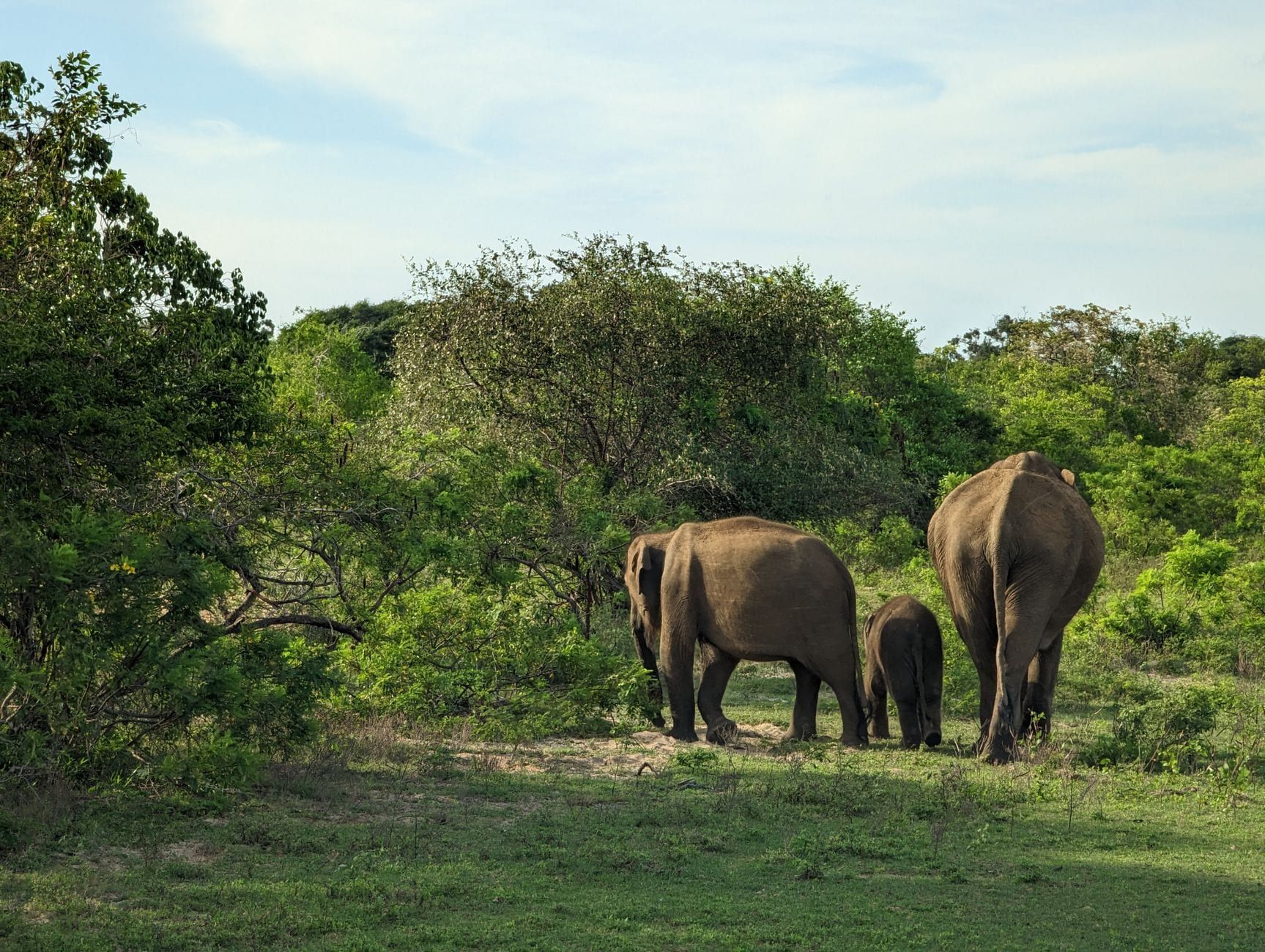
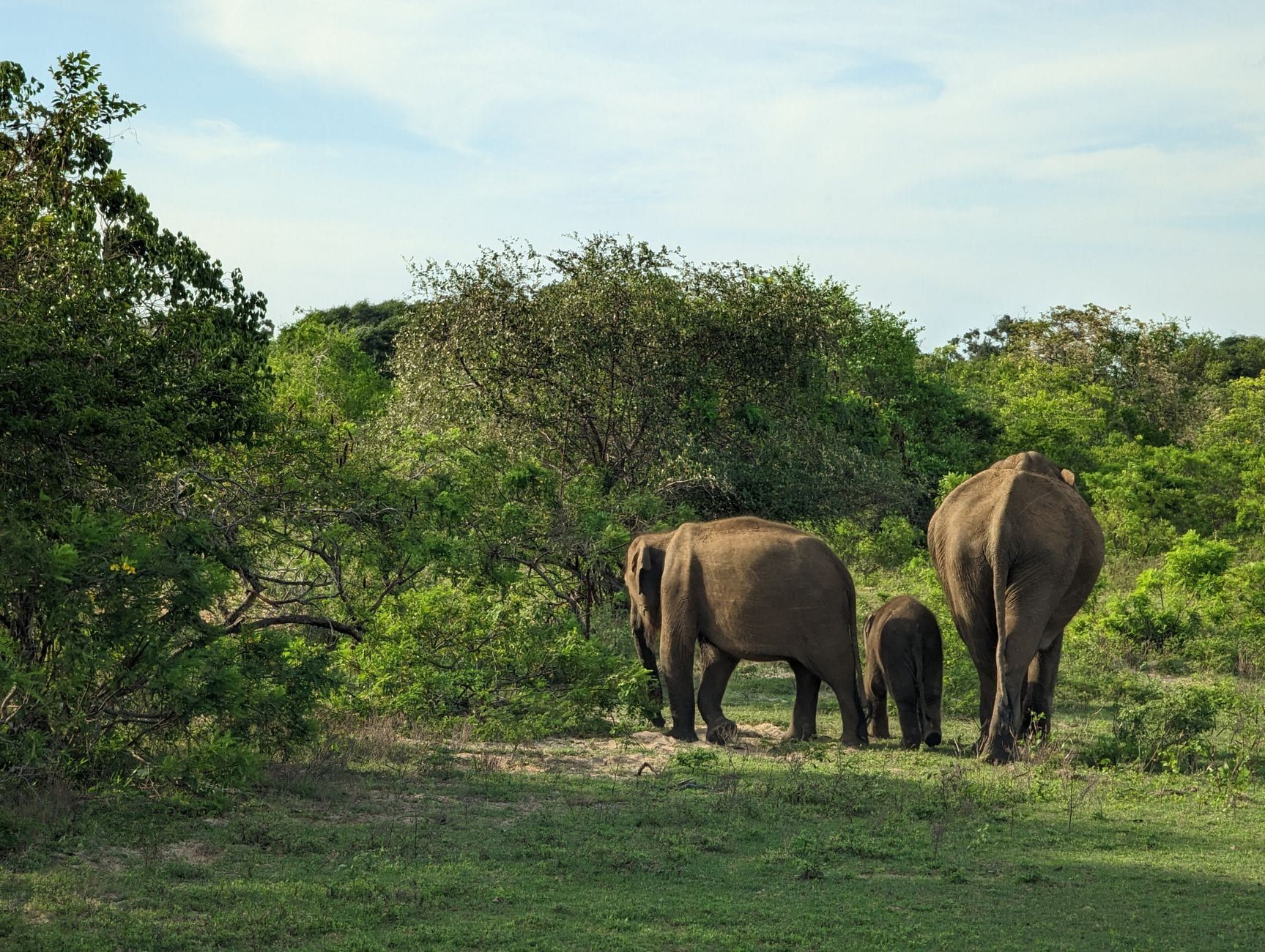
May to July adds a bonus: sloth bears, drawn out of deep cover by fruiting palu trees. Yala is one of the best parks in Sri Lanka for them, though any bear sighting is luck rather than plan. The trade-offs are honest ones — this is the hottest stretch of the year, dry-season tracks kick up dust in an open jeep, and midday heat flattens animal activity completely. Plan around the dawn and late-afternoon hours, sleep through the middle.
For photographers it's the best light of the year. Dry-season air is clear, golden hours last, and sparse cover means a leopard on a granite boulder sits against clean rock instead of a wall of leaves. Bring the longest lens you own; the cats are relaxed around vehicles but rarely close.
Green Season (November–January): Rain, Birds and Lower Prices
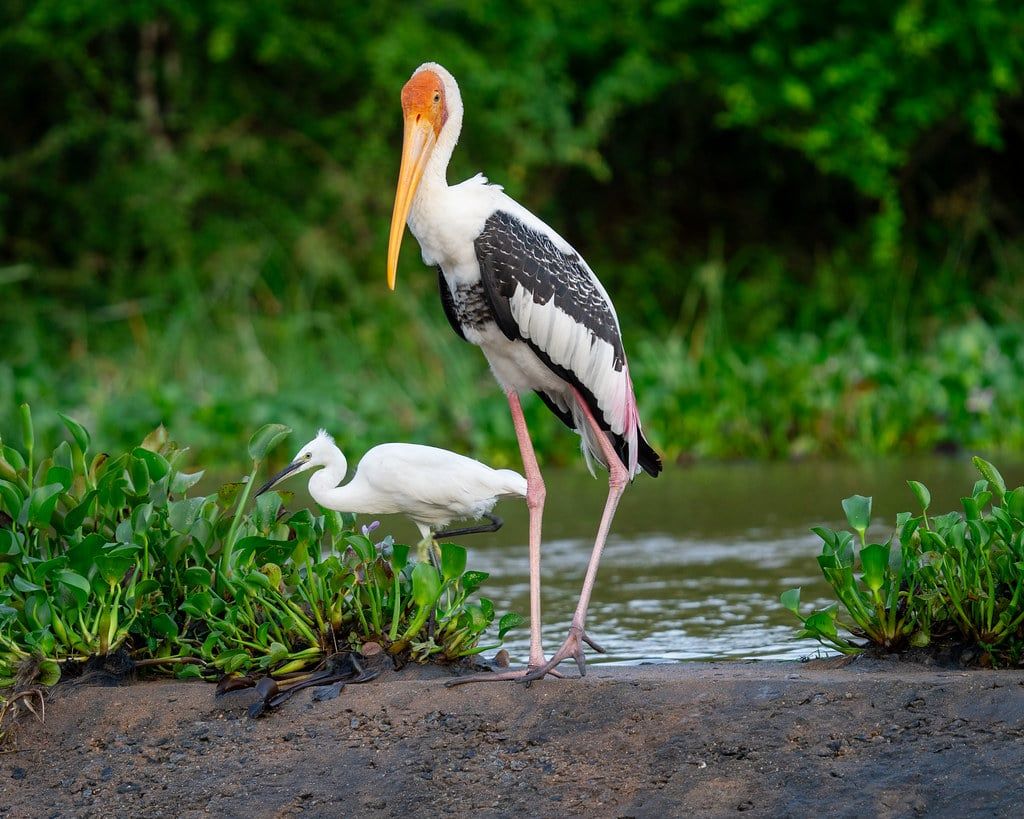
November to January is the counter-case, and for the right visitor it wins. Migratory birds start arriving in November from Central Asia and the Himalaya, joining a resident 215 species — endemics like the Sri Lanka junglefowl and grey hornbill included — around lagoons and wetlands at their fullest. For birders it's the best window of the year, full stop.
Rates drop, jeeps book easily, and the park goes green and moody after rain — good conditions for landscape-style photography if you've already got your leopard shots. Elephants, crocodiles and water buffalo are everywhere; one January visitor found the park thick with all three.
Know the risks before you commit. Afternoon downpours cut drives short, vegetation is at its thickest, and tracks can flood — that same January visitor found sections of the park still closed after monsoon flooding and saw no leopards at all. The odds genuinely are worse in these months; that's the price of the quiet.
So choose the green season if you're a birder, a returning visitor who's already ticked off leopards, or a budget traveller happy to trade certainty for savings. If this is your first and possibly only Yala trip, wait for the dry months.
The September–October Closure: What Actually Happens
Most guides call it a maintenance shutdown. It isn't. Each year, at the height of the dry season, the Department of Wildlife Conservation closes Blocks 1 and 2 — the flagship leopard country — for roughly a month so wildlife can reach the last remaining water without vehicles crowding it. In 2026 that meant 14 September to 15 October, with Blocks 3, 4, 5 and 6 staying open throughout.
The pattern is annual but the dates aren't fixed: in 2023 the park stayed open because no severe drought was declared. Windows shift with conditions, so check DWC announcements for the current year before you book anything between early September and mid-October.
If your dates land inside the closure, you have two moves. Shift the trip two weeks either side — October's second half works once Blocks 1 and 2 reopen, though rain is arriving. Or keep the dates and safari Blocks 3–6 through the Galge gate: far quieter, with strong elephant, bear and bird sightings, though leopard odds run below Block 1. Udawalawe National Park, 63 km from Tissamaharama, is the natural backup; our Udawalawe vs Yala comparison covers the trade-offs.
There's a reason the closure surprises people: it sits at the end of the dry season, when sightings would otherwise be at their yearly best. That's exactly the point — the animals need the water, and the break, more than the jeeps do.
Yala Wildlife Calendar: When to See What
One table, every major species, and the honest odds. Yala records 44 mammal and 215 bird species; our guide to Yala's animals covers the full cast.
| Animal | Best months | Why and what to expect |
|---|---|---|
| Leopard | Feb–Jul (peak Apr–Jul) | Highest density on Earth in Block 1; still roughly a 1-in-3 to 50/50 chance per drive |
| Elephant | Feb–Jul; year-round | Herds concentrate at shrinking lagoons; a sighting is near-guaranteed on any drive |
| Sloth bear | May–Jul | Palu fruit draws bears out of deep cover; dawn and dusk are the hours |
| Migratory birds | Nov–Jan | Arrivals from Central Asia and the Himalaya at full lagoons; dawn is best |
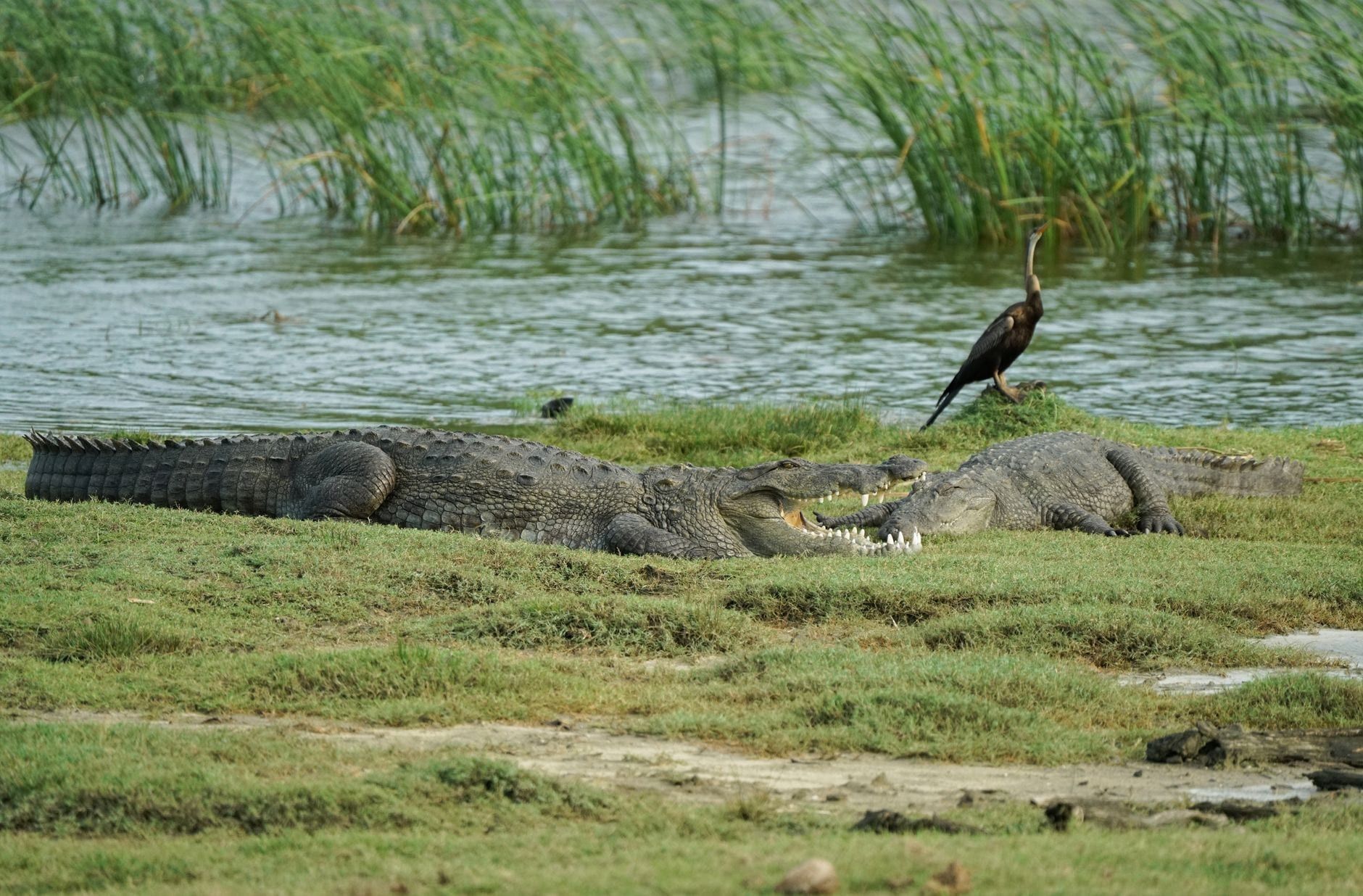
| Crocodile, spotted deer, buffalo | Oct–Dec | Full waterholes and green season make them easier to find than the big cats |
The odds column matters more than any month. Even at the April–July peak, a leopard sighting runs at roughly a coin flip per drive; book an afternoon drive and the next dawn and your cumulative chances climb sharply. Elephants are the opposite case — essentially a given, any week of the year. Birding peaks at dawn around the lagoons, whatever the season.
Best Time of Day for a Yala Safari
Within any month, the slot you pick changes the safari as much as the month does. Two drives run daily, roughly 6am and 2pm, each lasting three to four hours through the Palatupana, Katagamuwa or Galge entrances. The park closes between 12pm and 2pm, last entry is 11am for the morning slot and 5pm for the evening one, and every vehicle must be out by 6pm — arriving at noon means a two-hour wait at the gate.
The dawn drive is the one to book. Gates open at 6am and serious operators queue from 5:30; the air is cool, the light is soft, and the park's animals are at their most active before the heat settles. Leopards sprawl on granite boulders in the first hour. Bring a sweater — an open jeep at speed before sunrise feels genuinely cold, even in the tropics.
The 2pm drive starts in dead heat and gets better as it goes: animals re-emerge from about 4pm, and the last hour runs on golden light. Dry-season afternoons are dusty; green-season afternoons risk a shower, though rain cools the park and switches movement back on. Either way, it's the right second drive if you're staying overnight.
Full-day drives (6am–6pm, with the midday break at a designated rest area) suit serious wildlife-seekers in the dry season, at roughly double the half-day jeep rate. Everyone else should pair a morning and an afternoon drive across consecutive days. Check current hours and entry fees before you set your alarm — times shift slightly with season and weather.
Crowds, Costs and Booking Strategy by Season
December and January are the busiest months — holiday travel, domestic and international, pushes visitor numbers to their annual peak (646,704 people came in 2024). The January–March international season keeps the pressure on, and 15–20 jeeps at a single Block 1 sighting is normal. May, June and November are the thinnest months, with the same animals on show in the first two.
Your gate choice is a crowd tool too. Palatupana, the main gate, can push more than 200 jeeps a day into Block 1. Katagamuwa reaches the same leopard-rich block with 20–30 vehicles. Galge serves Blocks 4–5, where you might pass two or three jeeps all morning — quieter, with elephant and bird sightings that rival anywhere, at the cost of lower leopard odds.
Fees barely move with the season; availability does. Entry is USD 25 per foreign adult, USD 15 per child aged 6–12, free under 6, plus a USD 10 group fee per vehicle, an LKR 300 vehicle ticket and 18% tax — two adults with one child pay about USD 88.50 all-in. The jeep is separate: roughly USD 55–75 for a half-day vehicle including guide and permits, or about double for a full day (official pre-booked Block 1 rates are LKR 16,900 half-day, LKR 28,100 full-day). For December–March dates, book weeks ahead — jeep scarcity, not price, is the constraint. Browsing Yala safari tours early gives you the pick of operators and slots.
Stay at least one night — an afternoon drive plus the next morning's dawn drive — and two or three days if leopards are the point of the trip, with Sithulpawwa rock temple and the lagoons filling the gaps between drives. Tissamaharama, 20 minutes from Palatupana, is the practical base; our accommodation guide covers where to sleep, and if you're combining Yala with the hill country, tours from Ella handle the transfer and the early start.
FAQs: Yala National Park Timing Questions
What is the best month to see leopards in Yala National Park?
April to July, inside the February–July dry season. Water is at its lowest and grass at its shortest, so the park's leopards — at least one per square kilometre in Block 1 — move on predictable routes between shade and water. February and March are also strong. Even at peak, expect roughly a one-in-three to 50/50 chance per drive.
Is Yala National Park closed in September and October?
Not the whole park. Blocks 1 and 2 — the main leopard area — typically close for about six weeks from mid-September to mid-October (14 September to 15 October in 2026), while Blocks 3, 4, 5 and 6 stay open. The closure is decided year by year; 2023 stayed open. Check DWC announcements before booking.
Is it worth visiting Yala in the rainy season?
For birders and budget travellers, yes: November to January brings migratory birds, lush scenery, lower rates and easy booking. The trade-offs are afternoon downpours, thick vegetation, flooded tracks and much harder leopard sightings.
What is the best time of day for a Yala safari?
The 6am dawn drive — coolest temperatures, most active wildlife and the best light, with leopards most likely in the first hour. The 2pm afternoon drive is the backup, improving as the heat fades. The park closes 12–2pm; last entries are 11am and 5pm.
How much does a Yala safari cost?
Entry is USD 25 per foreign adult, USD 15 per child aged 6–12 and free under 6, plus a USD 10 vehicle group fee, an LKR 300 vehicle ticket and 18% tax — about USD 88.50 for two adults and one child. The jeep costs roughly USD 55–75 for a half day including guide and permits, or around double for a full day.
When is Yala most crowded?
December and January, on the back of holiday travel, followed by the January–March international high season, when a prime sighting can draw 15–20 jeeps. Weekday dawn drives, the Katagamuwa gate, Blocks 4–5 and the May–June window all cut the crush.
How many days do you need in Yala National Park?
One night is the minimum: an afternoon drive plus the next morning's dawn drive. Two to three days materially improves leopard odds and leaves room for Sithulpawwa rock temple and birding between drives.